Selling a House As-Is in Connecticut: The Law and the Practical Side
"As-is" is a promise about repairs, not about information. When you sell a Connecticut house as-is, you are telling the buyer you won't fix anything or give credits for condition. You are not allowed to hide what you know. Connecticut's residential condition report law, Conn. Gen. Stat. §20-327b, still applies to most sales of one- to four-family homes, condos, and co-ops, whether the buyer is a young family with an FHA loan or a cash buyer like us.
The good news is that the law asks for less than people fear. Section 20-327d says a seller doesn't have to order inspections or tests to fill out the report, and §20-327e limits your answers to what you actually know. Answer honestly, and the rest of the condition risk is ours once we close.
The Hartford-Area Problems That Stall a Normal Sale
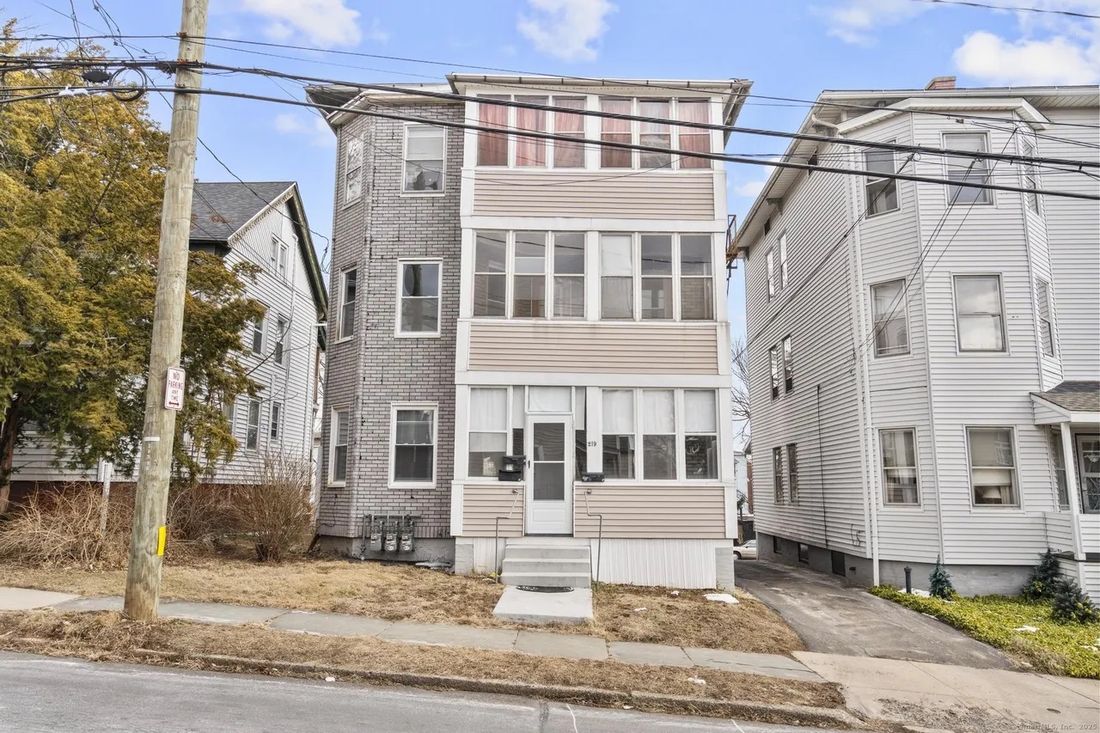
Hartford's housing stock is old and varied: two- and three-family houses in Frog Hollow, Parkville, and Barry Square, brick homes in the West End and Asylum Hill, Cape Cods and colonials in Wethersfield, Newington, and East Hartford, and postwar ranches farther out. Age is not a defect by itself, but it brings a predictable list of issues. These are the ones that most often push owners toward an as-is sale.
Crumbling foundations and other structural trouble
North-central and eastern Connecticut has a problem most states don't: foundations poured with concrete containing the mineral pyrrhotite, which reacts over time and cracks the walls from within. It is concentrated east of the Connecticut River, in towns such as Vernon, Ellington, Tolland, Stafford, Willington, and parts of Manchester and South Windsor. The state-created Connecticut Foundation Solutions Indemnity Company (CFSIC) helps qualifying owners pay for replacement. A failing foundation, from pyrrhotite or from ordinary settlement and water, makes most lenders hesitate, which shrinks the pool of buyers to people paying cash. We are one of them.
Roofs at the end of their life
An old roof shows up in every buyer's inspection report, and FHA and VA appraisers commonly flag roofs that leak or have little life left. That means either a price cut or a repair before the loan funds. We price the roof into our offer and you don't touch it.
Water, mold, and damp basements
Fieldstone and block foundations, old clay sewer lines, and humid Connecticut summers mean a lot of local basements smell musty, show water stains, or grow mold on the joists. A financed buyer will usually ask for remediation. We'll buy it with the dehumidifier still running.
Fire and smoke damage
After a fire, owners are often stuck between an insurance settlement that doesn't cover a full rebuild and a house no lender will touch. We buy fire-damaged houses in the condition the fire left them, and closing with us can be simpler than managing a rebuild from a rental.
Lead paint and asbestos
Any house built before 1978 falls under the federal lead disclosure rule, and older homes often have asbestos in pipe wrap, floor tiles, or duct insulation. Neither one stops us. For a real example of what these issues can do to a financed sale, read how asbestos and FHA appraisal conditions knocked out three buyers on a Norwich two-family before it sold to us. If your own buyer has already backed out, see what to do when a Connecticut sale falls through.
Oil tanks
Plenty of Connecticut homes were heated with oil, and some still have a buried tank, or an abandoned one nobody wrote down. A tank that leaked can mean soil testing and cleanup, and removal usually involves the local fire marshal. Buyers' lenders and insurers ask about tanks, and an unknown answer can stall a closing. We buy with the tank in place.
Open permits, code orders, and unpermitted work
A basement apartment that was never approved, an attic finished without a permit, or an open order from the city's code enforcement office can show up in a buyer's title or municipal search and delay a mortgage. We look at these during our due diligence and can usually close with them still open, then sort them out with the town ourselves.
Houses too full to show
Sometimes the problem isn't the building, it's what's inside. Estates that were never cleaned out and hoarding situations are hard to list and harder to face. You don't have to empty anything. Take what matters to you and we handle the rest after closing.
How We Buy a House As-Is
Leaks, the furnace, the tank in the yard. The more we know up front, the closer our first offer is to our final one.
One walk-through with our own eyes and a flashlight. No inspector parade and no open houses.
We will show you how we got to the number if you ask.
Commonly one to three weeks out, handled by Connecticut attorneys. Leave whatever you don't want.
When the deadline matters as much as the condition, our city guide explains how to sell your house fast in Hartford, from the attorney-run closing to the city's share of the conveyance tax.
How We Arrive at an As-Is Offer
We start with what the house should be worth after it is fully fixed up, based on recent sales of similar homes nearby. From that we subtract our repair estimate, the costs of owning it during the work (the town tax bill, insurance, utilities, and financing), the costs of reselling it, and our profit. What's left is the offer. That's why an as-is cash offer is below a top-of-the-market listing price. Our guide for sellers comparing cash home buyers in Hartford puts example numbers on that math and shows what you net after the payoff and conveyance tax.
The fair comparison is not our offer against the listing price. It is our offer against what you would actually keep after commission, the repairs a buyer's inspector or appraiser would demand, months of carrying costs, and the chance the buyer's loan falls through. For houses that need serious work, those numbers are often closer than people expect. If a lender has already started a foreclosure, our page on selling before a Connecticut foreclosure finishes explains how a cash closing can beat the law day.
What the Disclosure Form Asks About
The report is the Department of Consumer Protection's form. It is worth reading before you talk to any buyer, because it shows exactly what you will be asked. Broadly, it covers:
- The roof, foundation, basement, and any known water or structural problems, including whether you know of pyrrhotite in the foundation
- Heating, cooling, electrical, plumbing, and the water heater
- Whether water and sewer are public or the house has a well or septic system
- Hazards: lead paint, radon test results you have, asbestos, and underground or abandoned fuel tanks
- Building permits, zoning issues, easements, and anything else that affects title or use
- Common-interest community or association details, if the home is in one
You answer from your own knowledge. "Unknown" is an honest answer when it is true. If you aren't sure whether to give the report or the $500 credit, ask your attorney before you sign anything.
Radon and Older Connecticut Homes
Radon is a naturally occurring gas that can build up in basements, and testing during a home inspection is common in Connecticut. The disclosure form asks about any radon test results you already have. The law does not make you test before selling, and you don't need to install a mitigation system to sell to us. If you want to read more, the Connecticut Department of Public Health runs a radon program with information for homeowners.
Why Owners With Problem Houses Call Us
We buy and renovate houses ourselves, so we price from the repair work we will actually do, not from an algorithm. We know Hartford's multi-families, the colonials and Capes in the inner suburbs, and the mill-era houses in Norwich and the rest of New London County, where our office is. If your house is inside the city line, here is more on how we buy houses in Hartford. Call (860) 703-9997, tell us what's wrong with the house, and let us worry about it.
Helpful Contacts for As-Is Sellers
CT Department of Consumer Protection
portal.ct.gov/dcp
Publishes the residential condition report form sellers use.
CT Foundation Solutions Indemnity Company
crumblingfoundations.org
CFSIC eligibility and claims for pyrrhotite foundations.
CT Department of Public Health Radon Program
portal.ct.gov/dph radon
Testing and mitigation information for homeowners.
Your Town Building Department
Permit history and open code orders. In Hartford, start at hartfordct.gov.
Got a House That Needs Too Much Work?
Describe the problems over the phone or through the form. We'll come see it once and send a written cash offer for the house exactly as it is.
A Problem Property We Took On
This is one of our own purchases in the area, with the title and condition problems it came with. Click through for photos and the full story.