Moving to Something Smaller in Greater Hartford
Most of the downsizers we meet have lived in their house for a long time. They raised kids in a center-hall Colonial in West Hartford or a Cape in Newington, and now the bedrooms sit empty, the stairs are harder than they used to be, and the heating bill covers rooms nobody uses. Some are moving across town. Some are moving closer to grandchildren in another state. Almost all of them feel two things at once: relief at the idea of less to take care of, and sadness at leaving a place full of memories.
This page is about the practical side. It covers what Connecticut taxes look like when you sell, how to time the sale of one home and the purchase of the next, what to do with a houseful of belongings, and the Medicaid questions worth asking if you are over 65. If your house is in the city itself, our page on selling a Hartford, CT house fast for cash covers Hartford's neighborhoods in more detail.
Where the Money Changes When You Downsize
Every household's numbers are different, so we won't hand you a savings figure. What we can do is show you where the costs move, so you can work out your own.
- Property tax. Connecticut towns tax real estate on assessed value times the local mill rate, and in Greater Hartford that bill is often the biggest cost of owning a house. A smaller home with a lower assessment usually means a smaller bill, but mill rates differ a lot from town to town. Look up the mill rate in the town you are moving to, not just the price of the house.
- Heat. Many older Greater Hartford houses still heat with oil, and a big, older house with original windows uses a lot of it. A smaller or newer home, or one heated with gas or a heat pump, can cost much less to keep warm through a Connecticut winter.
- Upkeep. Roofs, gutters, driveways, painting, and yard work all shrink with the house. In a condo they are covered by the association, in exchange for a monthly common charge that you should add to your budget.
- Insurance and utilities. Less house usually means lower premiums and smaller electric and water bills.
- Your mortgage. If you have paid off your current house, the equity may let you buy the next place outright or with a small loan.
Write down what you pay today for each of these, then estimate the same items for the kind of home you are considering. That simple list does more to settle the decision than any rule of thumb.
Selling One Home and Buying the Next Without a Gap
The hardest part of downsizing is usually the order of events. One-floor homes and well-run condos in towns like Wethersfield, Rocky Hill, and Glastonbury don't stay on the market long, and that creates a problem either way you go.
- If you sell first, you may need somewhere to live while you look, plus storage for your furniture, and you may feel pushed to buy whatever is available.
- If you buy first, your offer may depend on your current house selling. Sellers with several offers tend to pass over contingent ones.
A cash sale to us takes the uncertainty out of the first half. You know your price and your closing date before you shop. You can pick a closing 30, 60, or 90 days out, or close sooner and stay in the house for a short time afterward under a written occupancy agreement. Our page on selling now and moving later explains how that works in Connecticut. With the sale settled, your offer on the next home doesn't need a sale contingency.
What Downsizers Around Hartford Tend to Buy
- Ranches and one-floor homes. Newington, Wethersfield, Rocky Hill, and Windsor have many ranches built after World War II, and one-level living is the feature downsizers ask about most.
- Condominiums. West Hartford, Farmington, Glastonbury, and Rocky Hill all have condo communities, from older garden-style complexes to newer townhouses. Read the association's budget and ask about reserves and upcoming special assessments before you buy.
- Age-restricted (55+) communities. These are usually condos or small detached homes with the outside work handled by the association. Rules and fees vary, so read the documents closely.
- Continuing care communities. A continuing care retirement community offers independent living with assisted living and nursing care on the same campus. Connecticut requires these communities to register with the Department of Social Services and give prospective residents a financial disclosure statement. Ask for it, and have someone you trust review it with you.
- Renting. Some downsizers sell and rent an apartment for a year or two before deciding where to land. It keeps your options open while the equity sits in the bank.
Older House, Common Issues
Long-owned homes in Greater Hartford often have things a retail buyer's inspector will flag: an oil tank buried in the yard or sitting in the basement, an aging boiler, original wiring, a septic system in towns without sewers, or lead paint in a house built before 1978. Any of these can mean repair requests, a lower appraisal, or a buyer walking away. We buy houses with these issues as they are. You don't need to replace the roof, pull the tank, or update the kitchen before you sell to us.
Forty Years of Belongings: Options for the Contents
For many families the house is easier to sell than it is to empty. A few approaches that work around Hartford:
- Let family choose first. Walk through with your children or grandchildren and let them tag what they want. Set a date for pickup so it doesn't drag on.
- Hire an estate-sale company. They price, advertise, and run a sale over a weekend, and keep a percentage of what sells. The American Society of Estate Liquidators (aselonline.com) lists member companies.
- Consign or auction valuable items. Antiques, art, jewelry, and collections are often better handled by an auction house that sells them one at a time.
- Donate. The Hartford Area Habitat for Humanity ReStore in Bloomfield accepts furniture, appliances, and building materials, and offers pickups for a fee. Catholic Charities, Goodwill, and the Salvation Army also take household goods.
- Leave the rest. When you sell to us, take what matters to you and leave everything else. We handle the cleanout after closing.
Medicaid and Your House: Questions to Ask Before You Sell
If long-term care could be part of your future, the way Connecticut Medicaid treats your home should shape when and how you sell.
- While you or your spouse live in the house, it is generally not counted against Medicaid's asset limits.
- Once you sell, the money from the sale is an asset that does count, until it is spent on allowed expenses.
- Medicaid looks back five years at transfers. Giving sale proceeds to children or others during that window can lead to a period when you are not eligible for long-term care coverage.
- Connecticut's Department of Social Services can seek repayment from a person's estate after death for certain Medicaid benefits paid, which affects what passes to heirs.
None of this means you shouldn't sell. It means the order matters. If care is a real possibility in the next several years, meet with a Connecticut elder-law attorney before you sign a sale contract.
Decisions about gifting, trusts, and how proceeds are held are much easier to plan than to undo. Bring your attorney a copy of any offer you are considering, including ours, and ask how the timing affects your eligibility and your estate.
Finding the Next Place: Who Can Help
You don't have to research senior housing alone. The North Central Area Agency on Aging serves the Hartford region and can explain housing options, in-home help, and benefits you may qualify for. Calling 2-1-1 connects you with Connecticut's statewide information line for housing and services. Your town's senior center is another good starting point, and many keep lists of local senior apartments and 55+ communities.
If you plan to stay put a while longer, ask your assessor about the state Homeowners' Elderly/Disabled Tax Relief program. Owners 65 and older, or totally disabled, who meet income limits can apply between February 1 and May 15 for a credit on their tax bill.
Resources for Greater Hartford Downsizers
North Central Area Agency on Aging
(860) 724-6443 · ncaaact.org
151 New Park Ave, Hartford. Information on housing, care options, and benefits for older adults in the region.
2-1-1 Connecticut
Dial 2-1-1 · 211ct.org
Statewide line for housing, senior services, and community resources.
CT Department of Social Services
portal.ct.gov/dss
Medicaid long-term care eligibility, and the registry of continuing care communities.
Greater Hartford Legal Aid
(860) 541-5000 · ghla.org
Free civil legal help for lower-income residents and seniors in the Hartford area.
Hartford Area Habitat ReStore
hartfordhabitat.org
Donations of furniture, appliances, and building materials, with paid pickup available.
Catholic Charities, Archdiocese of Hartford
ccaoh.org
Senior services and other programs across the Hartford area.
Listing With an Agent or Selling for Cash: An Honest Comparison
If your house is in good shape, you have time, and you don't mind showings, listing it with a local agent may bring a higher price than a cash offer. That is worth saying plainly. The trade-off is the work and uncertainty in between: preparing and staging the house, keeping it ready for showings, negotiating repairs after the buyer's inspection, and waiting on the buyer's mortgage approval and appraisal. Commissions and repair credits come out of the price, too.
A cash sale makes the most sense for downsizers when the house needs updating, when the contents are still inside, when health or family plans set the schedule, or when you simply want a known date and a known number. Many of the people we buy from compare both paths before deciding. We are happy to give you our offer in writing so you can set it next to an agent's estimate of your net proceeds.
Why Downsizers Sell to Simply Sold RE
A downsizing move goes best when the sale is the predictable part. With us there are no showings, no open houses, and no strangers walking through the rooms where your family grew up. You pick the closing date, from a couple of weeks to a few months. You make no repairs and pay no commissions. You leave behind whatever you don't want. And you get one written number to plan your next home around. Frank and Larry are glad to sit down at your kitchen table, with your kids on the phone if you like, and walk through it. Call (860) 703-9997.
Thinking About Your Next Move?
A friendly conversation, a written offer, and a closing date you choose. No pressure to decide today.
From Our Recent Purchases
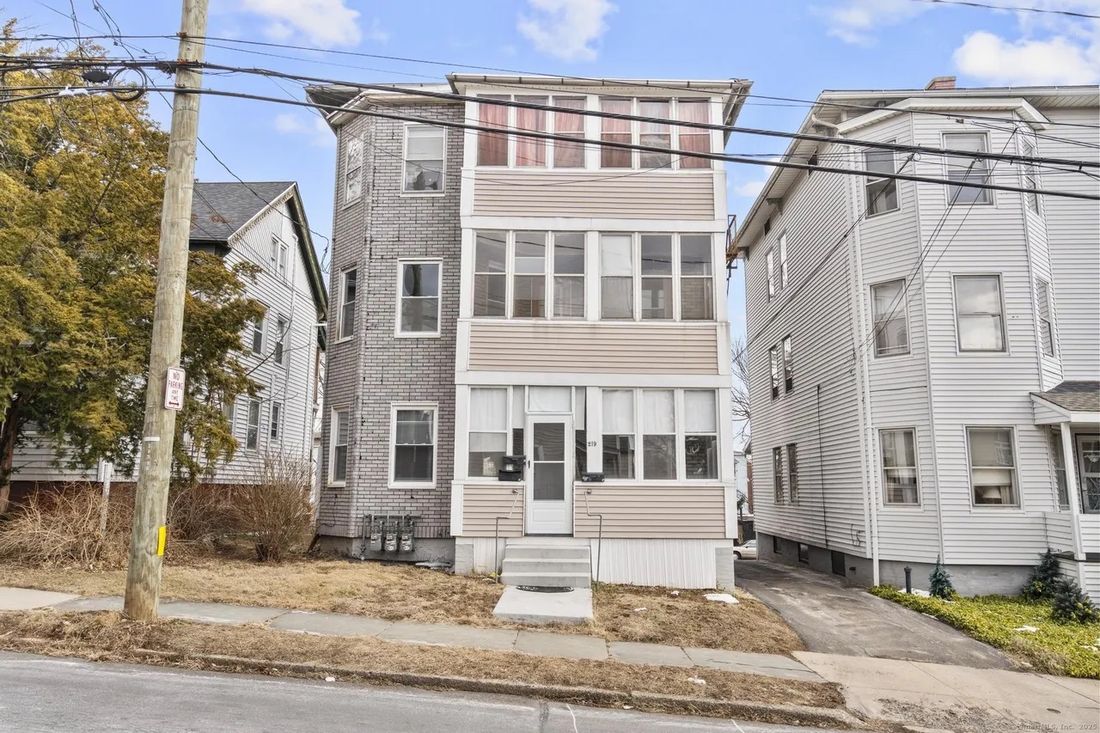
Every sale has its own complications. This one in New Britain shows how we handle the paperwork and timing so the seller doesn't have to.