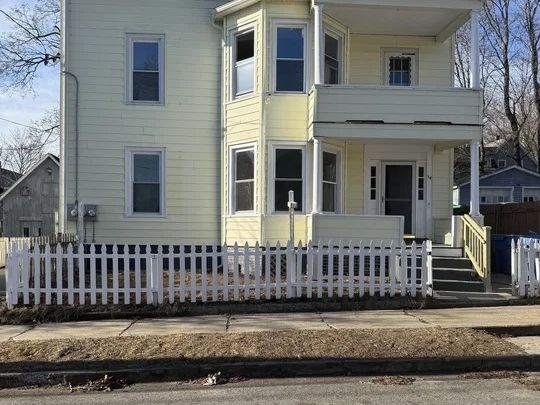
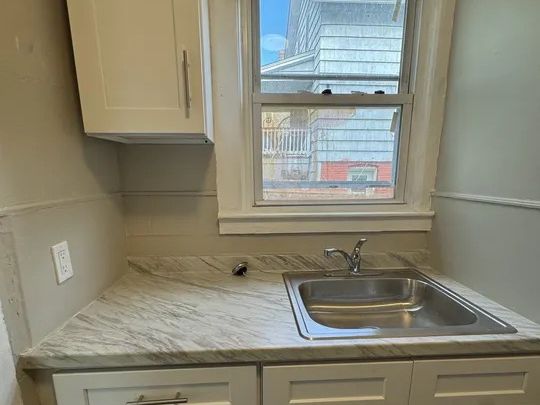
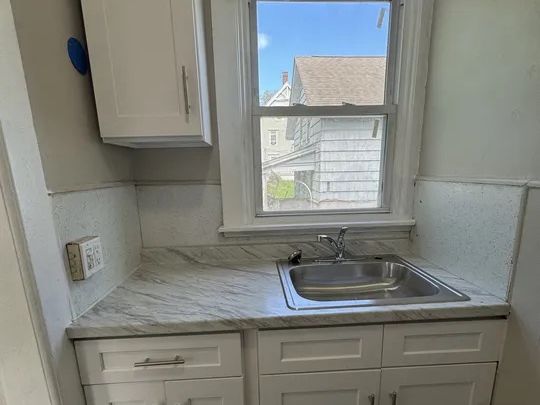
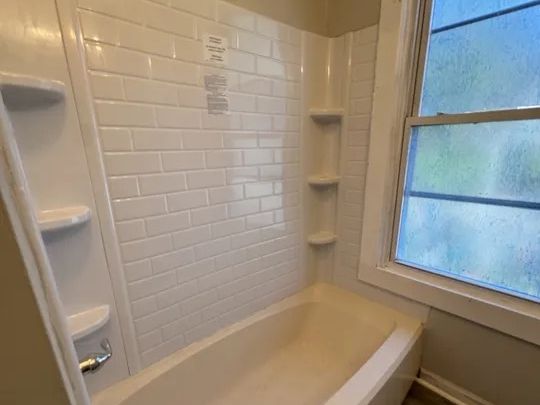
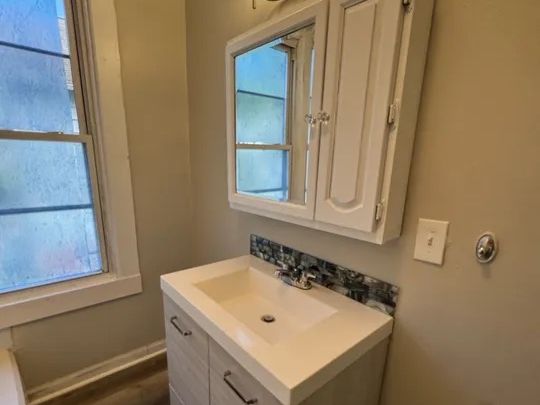
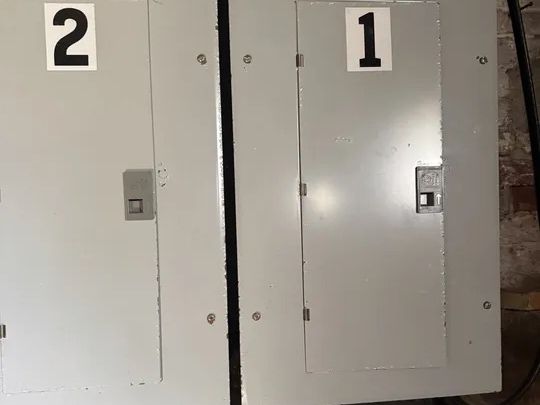
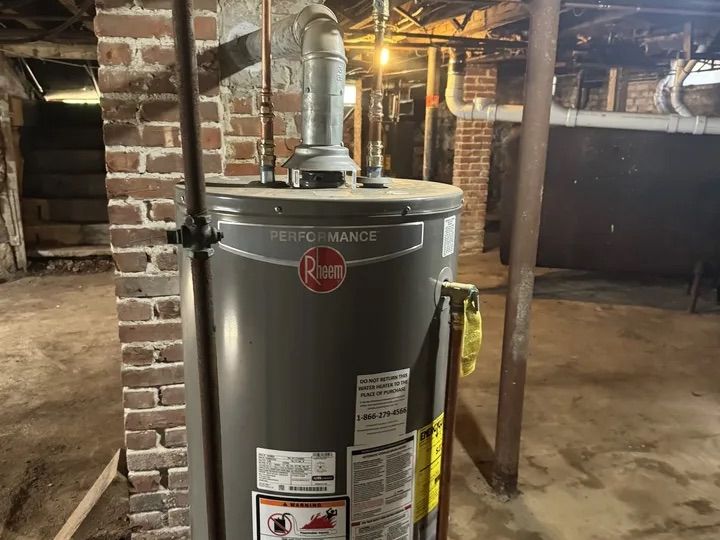
Norwich earned the name Rose City in better industrial days, and like most of Connecticut's old mill cities it is built out of two- and three-family houses — wood-framed, close-set, and largely put up before the Second World War. This one sits on 12th Street: a two-family with separate electrical panels and separate utilities for each unit, the kind of building that has housed two households at a time for the better part of a century.
It is also exactly the kind of building that breaks retail transactions, and this one broke several in a row.
Multiple consecutive purchase contracts were signed on this property. None of them closed. The failures were not one repeated problem but a gauntlet of different ones, which is what makes this case worth writing up — because sellers tend to imagine a deal dies for a single dramatic reason, and in older housing stock it usually does not.
What went wrong, across those attempts:
Any one of these is survivable. In sequence, they are what people mean when they say a property has gone stale.
An FHA appraisal is not only a valuation. It is also an inspection against minimum property standards, and the appraiser can require repairs before the loan will fund — peeling paint on a pre-1978 building, missing handrails, an inadequate or missing permanent heat source, roof condition, exposed wiring. In a well-maintained house that is a formality. In a century-old two-family it can produce a repair list the seller must complete, at their own cost, for a buyer who may still not close. And because FHA is heavily used by first-time buyers, it is often the dominant financing type for exactly this kind of entry-level multi-family.
Here is the mechanic that catches people. Each failed contract is not a clean reset. Each one costs a month or two, adds days on market, and leaves an MLS history showing the property went under contract and came back — repeatedly. Meanwhile the seller has usually spent money on the previous buyer's repair list, and that money does not come back either.
Worse, the repair demands are frequently buyer-specific. What one lender's appraiser requires, the next may not — and the next may require something different. A seller can spend real money satisfying a condition for a buyer who then fails underwriting for an unrelated reason, and start over with nothing to show for it.
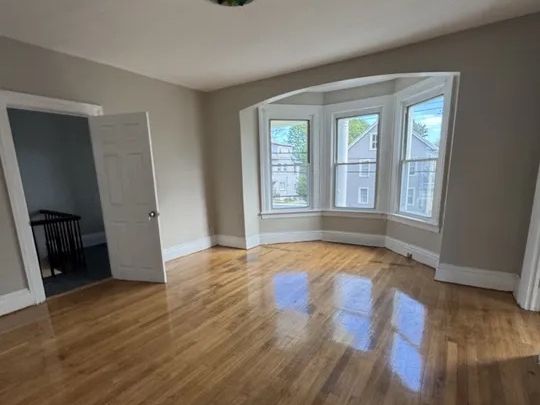
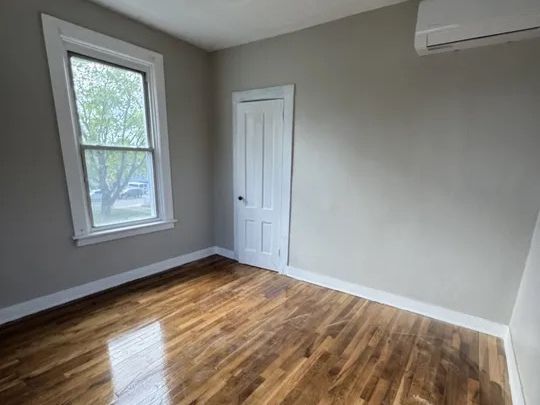
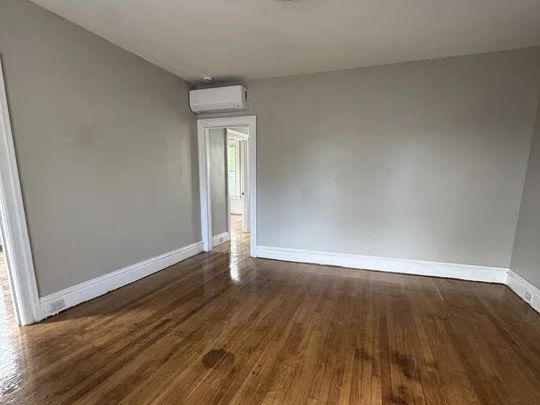
Rather than let the building sit and cycle through more failed contracts, we stabilised it — did the work properly and completely, so that condition stopped being the variable.
Then we made a different decision about the exit. Instead of relisting into the same buyer pool that had already failed three times, we refinanced — securing a loan against the property's as-is valuation and pulling our equity out of a deal that had stalled.
We are including that detail deliberately, because it is the honest ending. Not every property should be pushed to a sale on the original plan. Sometimes the correct move is to stop chasing buyers, stabilise the asset, and take the capital out another way. A homeowner does not usually have that option available — which is rather the point of the next section.
If you own a two- or three-family in Norwich, Hartford, New Britain or any of Connecticut's older cities, and you are thinking about selling, the question worth asking is not what your building is worth. It is who can actually buy it, and what will their lender demand.
Run through this honestly:
If several of those are uncertain, you are looking at a realistic chance of exactly what happened here — a sequence of contracts that consume months and produce nothing. That is the scenario a direct cash sale exists to eliminate. There is no appraiser imposing conditions, no lender underwriting a buyer, and no repair list you have to fund before you are paid. If you have been typing "sell my house in Norwich" into Google after a contract like these fell apart, that page explains how a direct sale works from our Taftville office.
We buy multi-family and rental property across Connecticut, including buildings needing substantial work, properties carrying tax liens or title defects, and inherited buildings that have not been maintained in years. If a lender has already begun proceedings, our guide to the Connecticut foreclosure process sets out the timeline honestly.
Three pieces of further reading that bear directly on buildings like this one: lead paint obligations on pre-1978 homes, selling a multi-family with tenants in place, and buried oil tanks, which surface constantly in older Connecticut properties. If you are weighing repairs against selling as-is, our as-is versus renovate breakdown and our comparison against listing with an agent both lay out the trade honestly.
Norwich sits in New London County in the eastern part of the state, and our office is there too, at 314 Norwich Ave in Taftville; read more on our Norwich, CT page. Much of our volume is in Greater Hartford — Hartford, New Britain, East Hartford, West Hartford, Manchester, Bristol, Newington, Wethersfield, Rocky Hill, Farmington, Windsor, South Windsor, Bloomfield, Glastonbury and Enfield — but we buy in eastern Connecticut regularly, and older multi-family is a property type we actively look for. See the full list of areas we serve.
New here? Start with how our process works, then read what sellers say and browse our other projects.
Because an FHA appraisal doubles as a condition inspection against minimum property standards. The appraiser can require repairs before the loan will fund — peeling paint on pre-1978 buildings, missing handrails, an inadequate permanent heat source, roof or wiring problems. On a well-maintained house this is a formality. On a century-old two-family it can generate a repair list the seller must pay for, for a buyer who might still fail underwriting. Since FHA is heavily used by first-time buyers, it is often the dominant financing on entry-level multi-family — which is precisely the housing least likely to sail through.
Not automatically. Asbestos in stable, undisturbed condition is frequently left in place, and there is no blanket requirement to remove it before a sale. What changes the calculation is a lender: if an appraiser flags deteriorating asbestos as a condition issue, remediation can become a requirement of that loan. Removal must be done by properly licensed contractors, which is not cheap. Selling to a cash buyer avoids the question entirely, because there is no lender imposing conditions.
Once is usually enough to matter, and the damage compounds. Every failed contract adds days on market and leaves a visible MLS history of going under contract and returning. Agents and buyers reading that history assume an inspection found something serious, whether or not it did. By the third failure, most of the remaining interest is from bargain hunters — which is the trap: the longer you chase a retail sale on a problem property, the less that retail sale is worth.
Not necessarily, and this catches sellers out badly. Appraisal conditions are specific to that appraiser, that lender and that loan program. Work you fund to satisfy one buyer's list does not guarantee the next appraisal clears — and if the next buyer uses a different loan type, the standards themselves change. Sellers routinely spend real money on a repair list for a buyer who then fails for an entirely unrelated reason, and start again with nothing to show for it.
A ductless mini-split is a heat pump with a wall-mounted indoor head and an outdoor compressor, requiring no ductwork. That makes it well suited to older buildings where running ducts would mean tearing into finished walls. In a multi-family it lets each unit have its own permanent, thermostatically controlled heating and cooling, metered to that unit. On this building we installed new mini-split systems as part of the mechanical work.
Yes. We buy properties with a documented history of failed sales regularly, and a prior inspection report is genuinely useful to us — it tells us what is actually wrong, which lets us price accurately and quickly rather than discovering problems later. We are not obtaining financing, so there is no appraiser to satisfy and no condition list to clear before closing.
Not to sell to us. Code and appraisal conditions are obstacles that exist because of a buyer's lender — remove the lender and they largely disappear. If you intend to sell on the retail market to a financed buyer, then yes, condition issues will eventually have to be addressed, either by you before listing or by you mid-transaction under time pressure. The second of those is considerably more expensive.
Licensed contractors contain the work area, remove the material under controlled conditions, and dispose of it as regulated waste, usually with air clearance testing afterwards. Cost depends heavily on how much material there is and where — pipe insulation in an accessible basement is a very different job from floor tile and mastic running through occupied units. It is not work to attempt yourself, and it is one of the more common reasons an older Connecticut sale stalls.
Yes. Greater Hartford is where most of our volume is, but we buy across Connecticut, and older multi-family in the eastern mill cities is a property type we actively look for. The characteristics that make these buildings difficult to finance — age, condition, asbestos, dated mechanicals — are not obstacles for a cash purchase.
Yes. We buy tenant-occupied buildings routinely and take the tenancy as it stands, including month-to-month arrangements. You do not need to serve notice, empty units, or reconstruct paperwork before selling. Connecticut requires security deposits to transfer to the new owner at closing, and we handle that accounting. Our guide to selling a tenant-occupied multi-family covers the details.