Most of the case studies on this site are about buying — a homeowner in a difficult spot, a property with problems, and a purchase that solves both. This one is about the other end of the process, and we think it is worth publishing precisely because it shows what a sale looks like when it goes wrong.
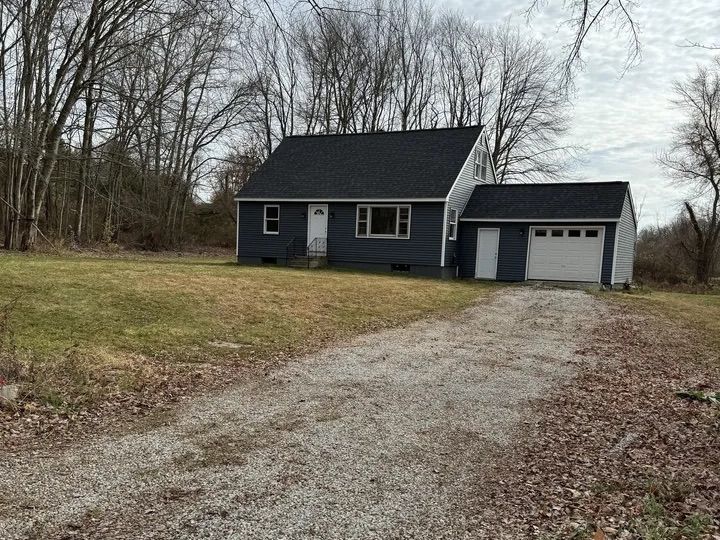
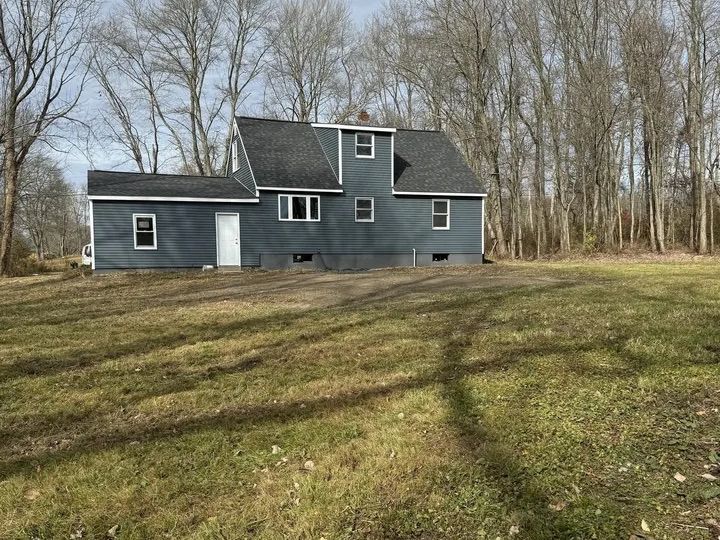
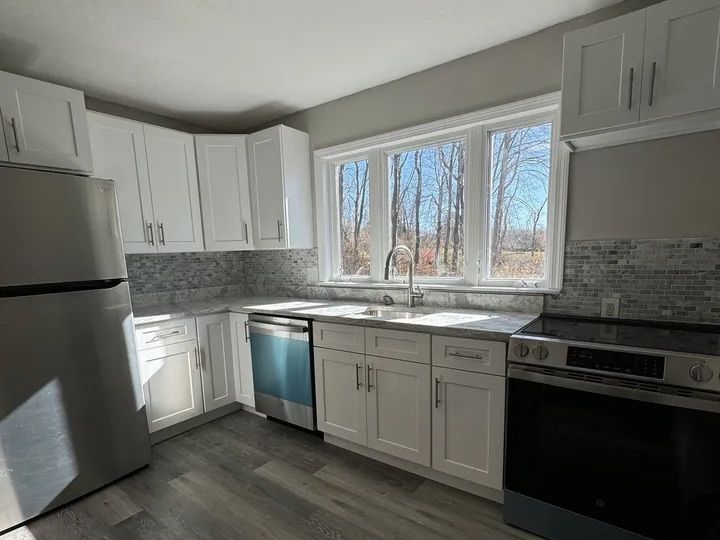
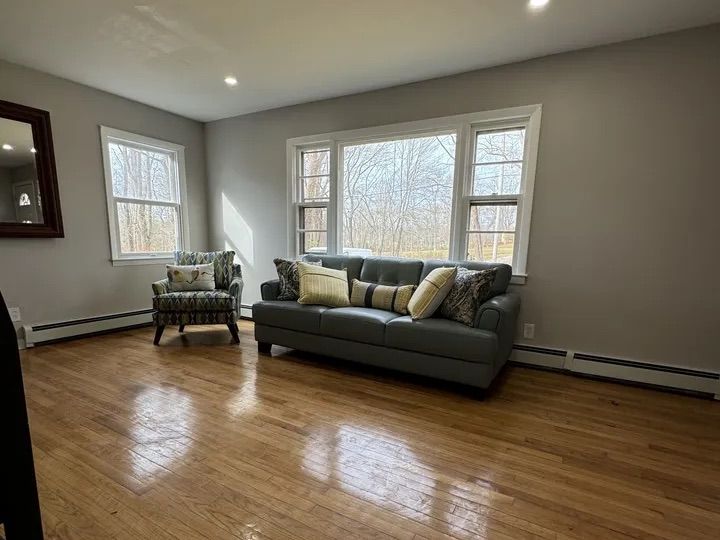
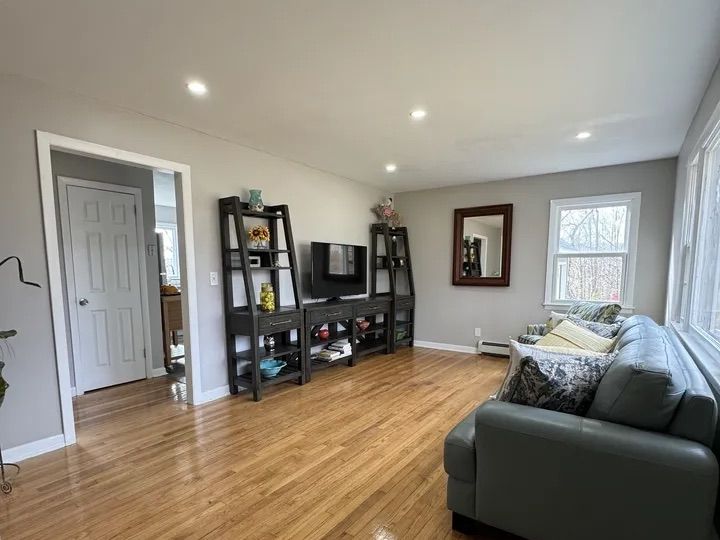
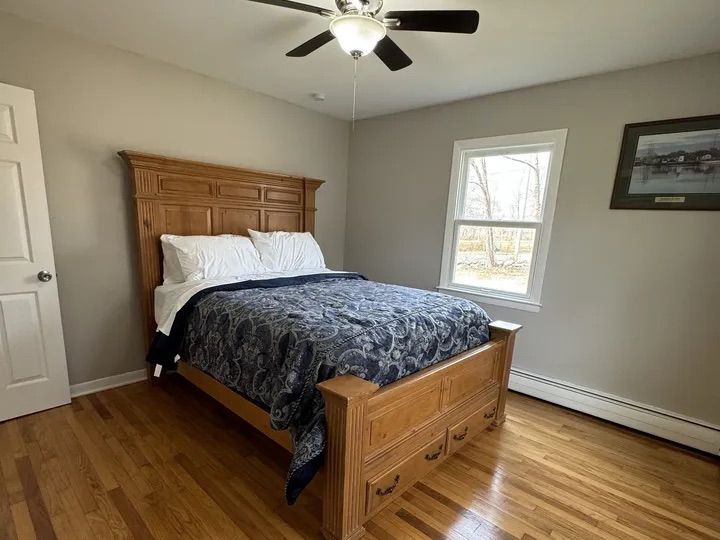
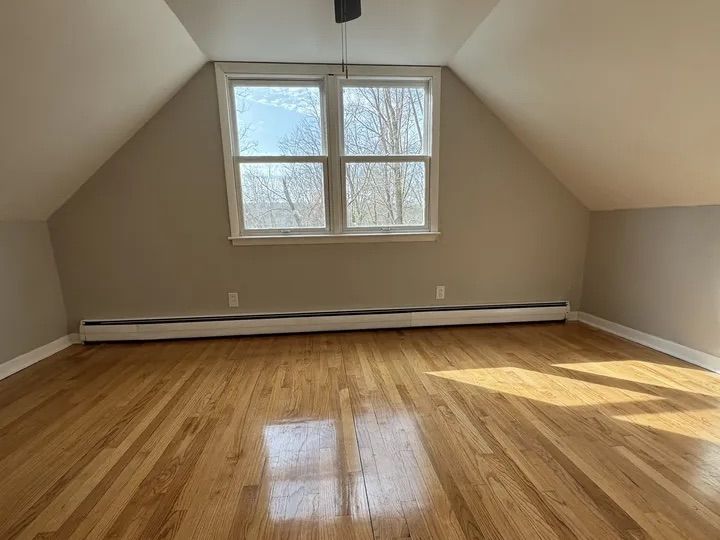
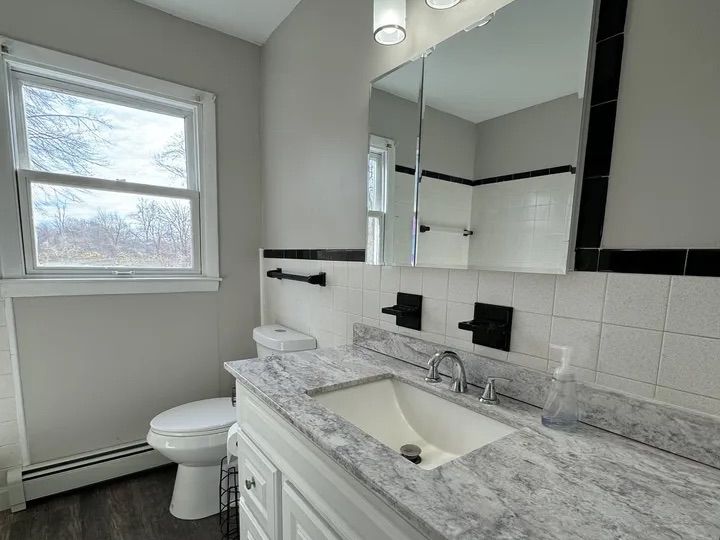
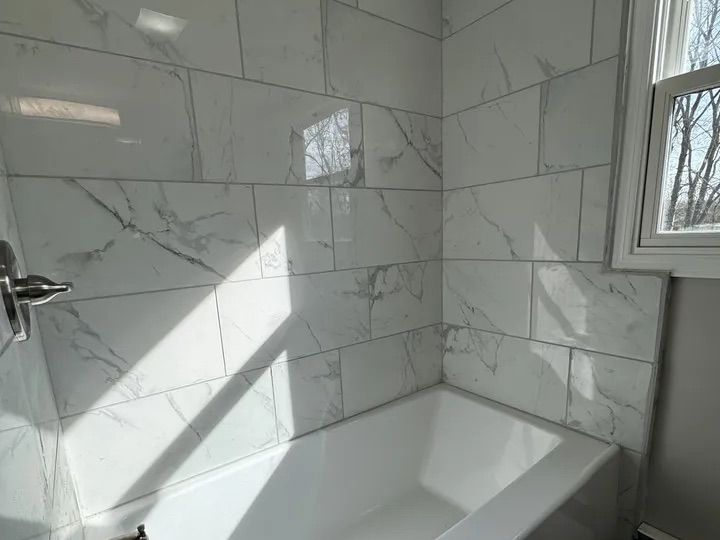
This Cape sits on an open rural lot on Mack Road in Lebanon, out in New London County where eastern Connecticut turns properly agricultural. We bought it, renovated it, and put it back on the market: refinished hardwood throughout, a new kitchen with white shaker cabinets and granite, updated baths, and a detached garage left standing as-is for the storage a rural property actually needs.
Then, shortly after it went live, our buyer backed out.
It is worth being precise here, because sellers hear this phrase and imagine something dramatic. Usually it is not. A residential purchase contract in Connecticut is written with conditions attached, and a buyer who exits through one of those conditions has not done anything wrong — they have used a right the contract gave them.
The common exits are:
Connecticut is an attorney-closing state, which means both sides have counsel involved from contract through closing. That adds a layer of protection, but it does not make a financed deal certain. Nothing does.
When a buyer walks, you rarely get back to where you started. Your listing has accumulated days on market. The MLS shows it went under contract and returned — and every agent watching assumes something was found during inspection, whether or not anything was. The next round of offers frequently comes in lower than the one you just lost. The deal did not simply fail; it repriced your house.
We did not scramble after the first buyer left, because we had not stopped paying attention when they arrived.
A backup offer is a fully negotiated contract sitting in second position behind the primary. If the first deal dies, the backup moves up automatically — no relisting, no fresh marketing cycle, no gap during which the property sits visibly available. Many sellers never pursue one. Once a house goes under contract, the natural instinct is to relax, and agents are often reluctant to keep working a listing that looks sold.
That instinct is what turns a two-week problem into a two-month one. We keep backups warm as a matter of routine, which is why the day our buyer withdrew we already had a second buyer under a fully executed contract.
From there the transaction moved about as fast as a financed purchase can:
The reason it moved that fast is not luck. It is that everything on our side was already done. The renovation was complete and the mechanical systems had been addressed, so the inspection had little to find. There were no title issues waiting to surface, because we had cleared those before we ever listed. When a seller is genuinely ready, the only variable left is the buyer's lender.
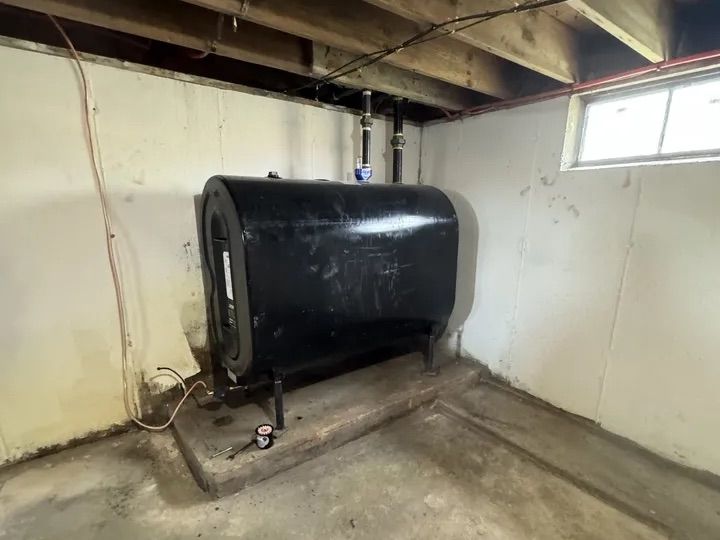
One detail in the photos is worth calling out, because it comes up constantly on older Connecticut homes: the tank in the basement.
A great deal of Connecticut housing stock heats with oil, and the tank is a standard inspection item. An above-ground basement tank in sound condition is generally unremarkable. What complicates sales is an underground storage tank — buried in the yard, often forgotten, sometimes decades out of service. Those can raise environmental questions that lenders and insurers care about a great deal, and they surface at exactly the wrong moment in a retail transaction.
If you own a home with a buried tank, or you are not certain whether one was ever installed, it is worth knowing where you stand before a buyer's inspector tells you. Our guide to selling a house with a buried oil tank in Connecticut covers how they are found, what removal typically involves, and what your options are if you would rather not deal with it at all.
The honest takeaway from this project is not that listings are bad. We listed this house, and it sold. The takeaway is that a financed retail sale carries a real probability of failure that most sellers do not price in — and that probability is highest for exactly the properties that most need a clean sale.
Ask yourself where your house sits on these:
If a failed sale would be an inconvenience, list the house — you will likely net more. If a failed sale would be a genuine problem, the certainty of a cash purchase is worth real money, and it is worth understanding what that trade actually costs. Our honest comparison of selling to us versus listing with an agent puts both columns side by side, and our breakdown of selling as-is versus renovating first works through the numbers.
This matters most when something about the property is already going to complicate an inspection. We buy houses that need significant repairs, homes carrying tax liens or title problems, inherited property nobody has maintained, rentals with tenants still in place, and homes where the owner is relocating on a fixed date and cannot gamble on a buyer's financing. If a lender has already started foreclosure, our guide to the Connecticut foreclosure process explains how much time you actually have.
Two other Connecticut-specific issues worth reading if they apply to your house: crumbling concrete foundations, which affect a defined band of towns in the eastern and north-central part of the state, and lead paint disclosure on pre-1978 homes.
Lebanon sits in New London County, east of the Hartford metro where most of our volume is. We buy across both. In Greater Hartford that means Hartford, New Britain, West Hartford, East Hartford, Manchester, Glastonbury, South Windsor, Windsor, Bloomfield, Newington, Wethersfield, Rocky Hill, Farmington, Bristol and Enfield — and we regularly buy in Norwich and the smaller eastern Connecticut towns like Lebanon as well. If that is where you are, here is how to sell your house fast in Norwich. The full list is on our locations page.
If you want to see the process end to end, start with how it works, then read what sellers have said and the rest of our projects.
In most cases, yes — within the contingency periods the contract itself provides. A typical Connecticut residential contract includes an inspection contingency and a mortgage contingency, and a buyer who terminates properly under either one is exercising a contractual right rather than breaching. Once those periods expire, walking away becomes much harder and generally puts the buyer's deposit at risk. Because Connecticut closings run through attorneys on both sides, the specific deadlines in your contract matter a great deal — your attorney is the right person to read them with you.
It depends entirely on why and when they walked. If the buyer terminates within a valid contingency window — a failed inspection, denied financing, a low appraisal — the deposit is typically returned to them. If they walk after contingencies have expired, with no contractual basis, the deposit is usually at risk and the dispute goes to the attorneys. What sellers often find frustrating is that even a deposit they eventually keep rarely covers the real cost, which is the lost time and the weaker offers that follow.
A backup offer is a fully negotiated contract in second position behind your primary buyer. If the first deal collapses, the backup moves into first position automatically — no relisting, no new marketing cycle, no visible gap. In our experience it is the single most underused tool available to sellers. The instinct once you are under contract is to stop working the listing, and that instinct is exactly what turns a lost buyer into two extra months on market. On this Lebanon sale, having a backup ready is the only reason the property closed roughly three weeks after our first buyer withdrew.
More than most sellers expect, and most of it is not a line item. You keep paying the mortgage, taxes, insurance and utilities during the extra months. Your listing accrues days on market, which weakens your negotiating position. And critically, the MLS history shows the house went under contract and came back — so every agent and buyer who looks at it afterward assumes an inspection turned up a problem, whether or not one did. Re-listed properties frequently sell for less than the offer that fell through.
Because the lender will only lend against the appraised value, not the agreed price. If a house goes under contract at a number the appraiser will not support, the buyer has to cover the gap in cash, the seller has to come down, or the deal dies. This hits hardest on properties without close comparable sales — unusual homes, rural parcels, and anything recently renovated well beyond its neighborhood. A cash purchase removes the appraisal from the equation entirely, because there is no lender to satisfy.
An above-ground tank in the basement, in sound condition, usually does not. A buried underground tank is a different matter — it raises environmental questions that lenders and insurers take seriously, and it tends to surface mid-transaction when there is no good time to deal with it. Many Connecticut owners genuinely do not know whether a tank was ever buried on their property. If that is you, it is far better to find out on your own schedule than during a buyer's inspection.
A financed purchase in Connecticut generally runs 30 to 60 days, and that clock is driven by the buyer's lender — underwriting, appraisal, and final loan approval. A cash purchase has none of those steps, so the timeline is set by the title search and the attorneys, which is typically one to two weeks. We can close in as little as seven days when title is clean, or deliberately slower if you need time to move.
Yes, and this is one of the most common reasons people call us. A property that has been through a failed sale usually has a known problem — something an inspector flagged, or an appraisal that came in short. Neither is a barrier for us. We are not obtaining financing, so there is no appraisal to satisfy, and we buy in as-is condition, so an inspection report is information rather than an obstacle. Knowing exactly what the last inspection found actually helps us price accurately and quickly.
Yes. Most of our volume is in the Greater Hartford market, but we buy throughout Connecticut including the smaller towns of New London and Windham counties. Rural properties come with their own considerations — private well and septic, oil heat, outbuildings, and fewer comparable sales to support an appraisal — all of which we are comfortable with and none of which need to be resolved before you talk to us.
No. The renovation shown in these photos is work we did after buying, not work a seller did for us. When we buy, we take the property in whatever condition it is in — dated kitchens, failing mechanicals, deferred maintenance, belongings left behind. Our offer reflects the condition, and there are no repair credits renegotiated later after an inspection, because the condition is already priced in.